
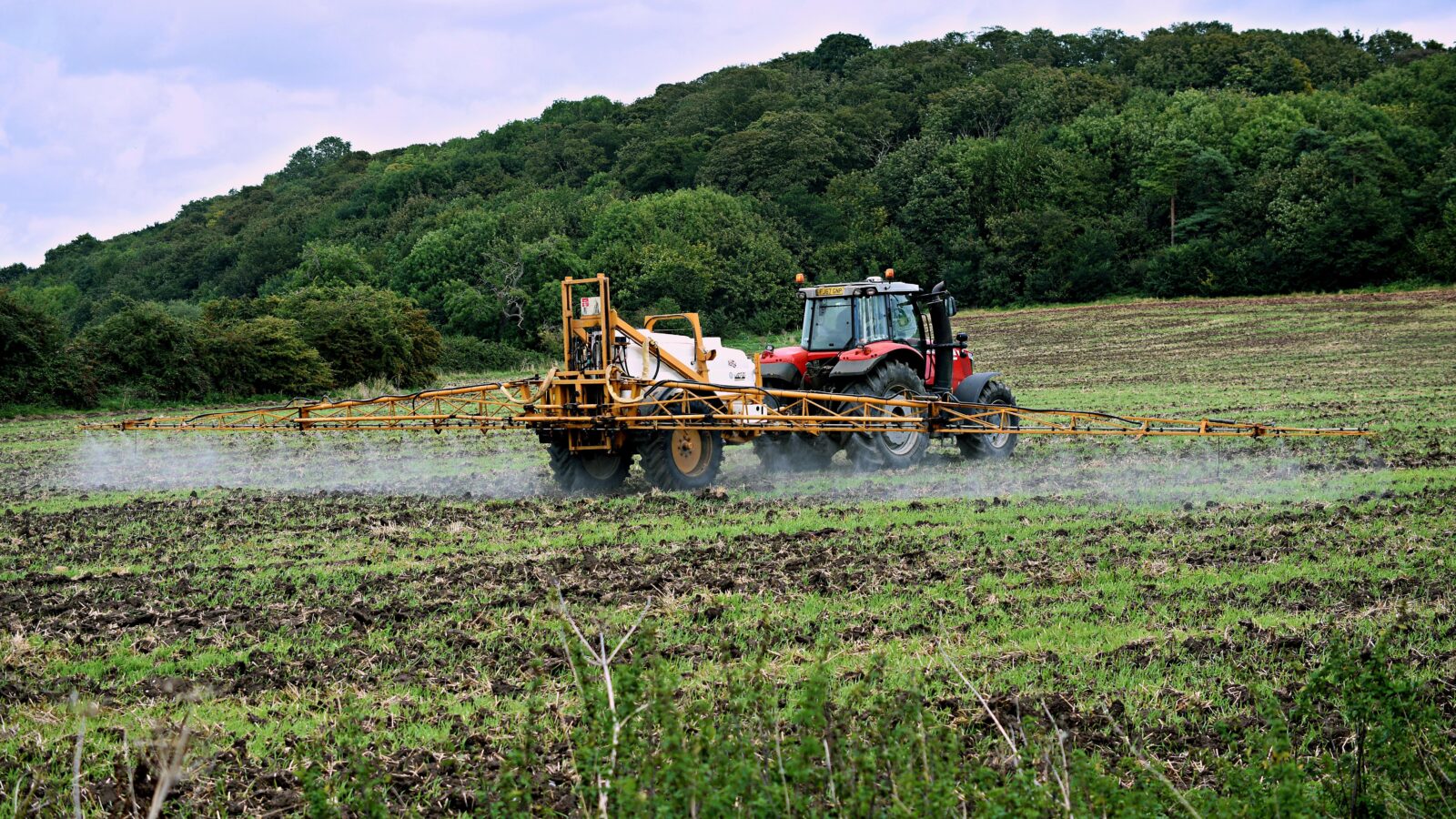
Nitrogen fertilizer prices are currently around 70% higher than the 2024 average. The reason is the war in the Middle East, which came at a time when the European market has not yet recovered from the price instability caused by the Russian invasion of Ukraine and supply chain disruptions. Fertilizer availability is at its worst since 2022.
The EU's response takes the form of a so-called fertilizer action plan. EU Agriculture Commissioner Christophe Hansen presented the document in mid-May. The plan has two levels: immediate financial assistance to farmers and structural changes to the entire fertilizer value chain.
The Commission wants to release the remaining approximately s€200 million from the agricultural reserve for immediate assistance and at least double this amount with the help of the EU budget. At the same time, it is preparing changes to the current EU common agricultural policy - it should introduce a new support scheme for farmers in need, greater flexibility in advance payments of direct payments and stronger incentives for more efficient use of fertilizers. The Commission also wants to facilitate the use of digestates – a by-product of biogas plants that can replace synthetic fertilizers – and to clarify the rules for so-called calendar management under the Nitrates Directive, which farmers have long criticized as too rigid. The Commission is expected to present specific proposals in the coming days or weeks. The package also includes a temporary framework for state aid. In April, the Commission approved rules allowing member states to subsidize farmers affected by a price shock from national budgets.
The structural part of the plan aims to reduce dependence on imports. The Commission wants to support domestic fertilizer production and alternative methods, such as the use of biostimulants, algae, microbial solutions and other synthetic fertilizers.
In the context of the upcoming revision of the ETS system, it is offering the chemical industry more flexibility in exchange for commitments to decarbonization and a guarantee of affordable prices for farmers. It also wants to strengthen market monitoring and an early warning system.
Agriculture ministers have already reviewed the plan. State aid from national budgets has attracted the most opposition: Czech Minister of Agriculture Martin Šebestyán warned that richer countries would simply pay more and an uneven playing field would be created. Portugal, Greece, Denmark and Latvia have expressed similar views.
The CBAM carbon tax also remains a persistent sticking point: despite repeated calls from member states, the Commission refuses to fully suspend it for fertilizers and so far offers only a reduced surcharge of 1% instead of the standard 10-30%.
For more detailed information and the full article, please visit:
The EU's response takes the form of a so-called fertilizer action plan. EU Agriculture Commissioner Christophe Hansen presented the document in mid-May. The plan has two levels: immediate financial assistance to farmers and structural changes to the entire fertilizer value chain.
The Commission wants to release the remaining approximately s€200 million from the agricultural reserve for immediate assistance and at least double this amount with the help of the EU budget. At the same time, it is preparing changes to the current EU common agricultural policy - it should introduce a new support scheme for farmers in need, greater flexibility in advance payments of direct payments and stronger incentives for more efficient use of fertilizers. The Commission also wants to facilitate the use of digestates – a by-product of biogas plants that can replace synthetic fertilizers – and to clarify the rules for so-called calendar management under the Nitrates Directive, which farmers have long criticized as too rigid. The Commission is expected to present specific proposals in the coming days or weeks. The package also includes a temporary framework for state aid. In April, the Commission approved rules allowing member states to subsidize farmers affected by a price shock from national budgets.
The structural part of the plan aims to reduce dependence on imports. The Commission wants to support domestic fertilizer production and alternative methods, such as the use of biostimulants, algae, microbial solutions and other synthetic fertilizers.
In the context of the upcoming revision of the ETS system, it is offering the chemical industry more flexibility in exchange for commitments to decarbonization and a guarantee of affordable prices for farmers. It also wants to strengthen market monitoring and an early warning system.
Agriculture ministers have already reviewed the plan. State aid from national budgets has attracted the most opposition: Czech Minister of Agriculture Martin Šebestyán warned that richer countries would simply pay more and an uneven playing field would be created. Portugal, Greece, Denmark and Latvia have expressed similar views.
The CBAM carbon tax also remains a persistent sticking point: despite repeated calls from member states, the Commission refuses to fully suspend it for fertilizers and so far offers only a reduced surcharge of 1% instead of the standard 10-30%.
For more detailed information and the full article, please visit: